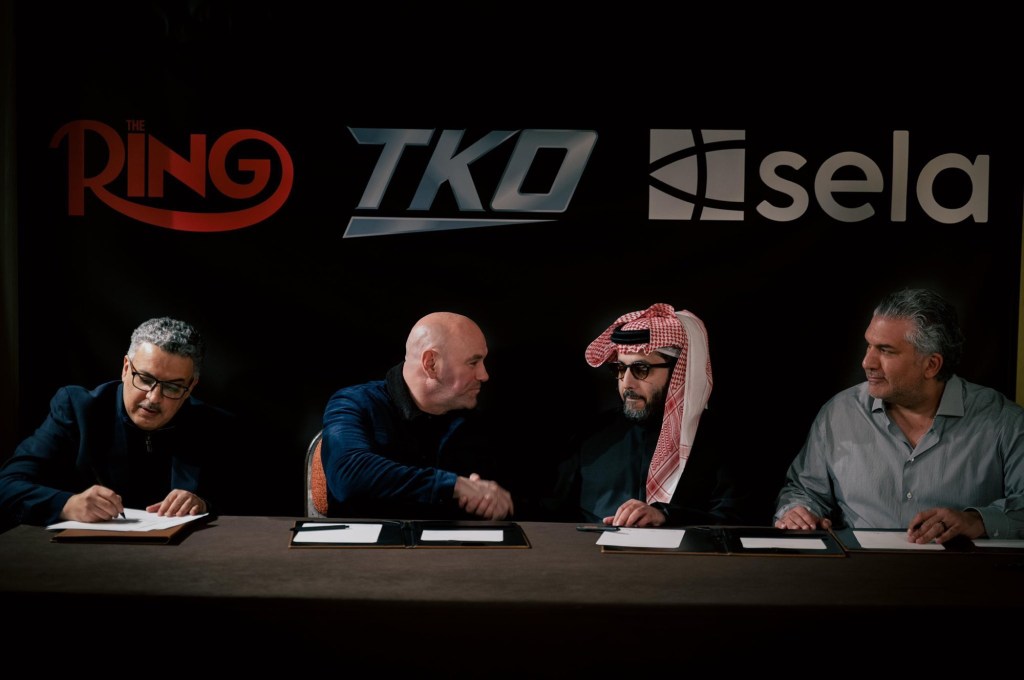
The boxing world is buzzing with the arrival of TKO Group Holdings’ new boxing promotion, a venture backed by the financial might of Saudi Arabia’s General Entertainment Authority and spearheaded by two titans of combat sports and entertainment: UFC president Dana White and Saudi boxing impresario Turki Alalshikh. With WWE president Nick Khan also in the executive mix, this partnership promises to shake up the sweet science in ways that could either revitalize it or threaten its chaotic, cherished independence. As the dust settles on the announcement, one question looms large: Is this the dawn of a new golden era for boxing, or a calculated move to monopolize a fractured sport?
On paper, the TKO boxing league is a tantalizing proposition. White, a proven disruptor who transformed mixed martial arts into a global juggernaut with the UFC, brings a no-nonsense approach and a vision of “going back to the old school” with one champion per weight class. Alalshikh, whose Riyadh Season events have already delivered blockbuster fights fueled by Saudi investment, offers deep pockets and an ambition to make boxing a centerpiece of the kingdom’s entertainment empire. Together, they aim to streamline boxing’s infamous alphabet soup of sanctioning bodies—WBC, WBA, WBO, IBF—and create a unified, prestigious title system, potentially anchored by the historic Ring Magazine belt. Add in TKO’s production expertise and access to the UFC Performance Institute, and you’ve got a recipe for a polished, fighter-focused product that could draw casual fans back to a sport that’s struggled to maintain mainstream relevance.
The potential benefits are hard to ignore. Boxing has long been plagued by promotional rivalries, inflated weight classes (17 or 18, depending on who’s counting), and a title landscape so convoluted that even diehard fans need a flowchart to track champions. A leaner, more coherent structure could make the sport more accessible, while Saudi funding might finally deliver the dream matchups—like Canelo Alvarez vs. Terence Crawford, rumored for September—that promoters have historically dangled but rarely delivered. Teddy Atlas, a Hall of Fame trainer, sees it as a “shot of adrenaline” for a sport in need of fresh blood. Even Eddie Hearn, a rival promoter, has cautiously welcomed the move, noting it “shows you where boxing’s at” and hinting at future collaboration.
But let’s not kid ourselves: this isn’t a fairy tale. TKO’s entry raises red flags that can’t be waved away with promises of unification and big paydays. White’s UFC model—centralized control, long-term fighter contracts, and a reputation for modest pay relative to revenue—clashes with boxing’s freewheeling ecosystem, where fighters like Alvarez dictate their own destinies under the protection of the Muhammad Ali Boxing Reform Act. Hearn himself has pointed out this tension, arguing “boxing’s not MMA” and questioning whether White’s playbook can translate to a sport bound by different legal and cultural rules. Posts on X echo this skepticism, with users warning of “controlling and exploitative” pay structures that could mirror the UFC’s fighter treatment, potentially sidelining the next generation of stars who don’t sign with TKO.
Then there’s the Saudi factor. Alalshikh’s influence has already inflated purses and forced cooperation among rival promoters, but it’s also tethered boxing to a single, powerful benefactor. If TKO becomes the dominant player, as some predict, what happens when the kingdom’s priorities shift? The WBC’s Mauricio Sulaiman may shrug off concerns, calling it a “good opportunity,” but his organization—and others—could find themselves frozen out if TKO’s vision of a single-belt era takes hold. The risk of a monopoly looms, threatening the messy, competitive diversity that, for all its flaws, has kept boxing unpredictable and vibrant.
The stakes are high as TKO prepares its first event, tentatively slated for September. If White and Alalshikh can deliver on their promise of a fighter-first league—fair pay, top-tier training, and marquee fights—they might just drag boxing out of its current malaise. Alvarez himself has voiced optimism, telling CBS Sports he’s “glad someone takes good care of the boxers,” a subtle jab at promoters who’ve let the sport stagnate. But if this becomes a power grab, hoarding talent and sidelining dissenters, it could alienate the very community it claims to serve.
Boxing doesn’t need a savior—it needs evolution, not domination. TKO has the tools to be a catalyst, but it must tread carefully. The sport’s soul lies in its chaos, its underdogs, its rebels. Strip that away, and you’re left with a sanitized shell, no matter how shiny the production. For now, we watch, we wait, and we hope this bold experiment honors the fighters and fans who’ve kept boxing alive through decades of tumult. The bell’s about to ring—let’s see what TKO brings to the ring.
By Vincent Quezada
Picture courtesy of TKO Group

***Are you interested in sports betting? If so make sure to use our promo code below where you can get your deposit matched (up to $1000), use promo code Sportz***

***Have you tried Dubby?? Are you looking for a Pre-Workout??
our promo code : WeLikeSportz for 10% off!


 WE LIKE SPORTZ SHOW
Leave a comment